ABOUT STORAGE CAVES
Storage Caves provides businesses and consumers with the advantages of a premium "Class A" warehouse and flexible storage space, all within a compact and cost-effective package. Our commitment to utilize top-tier construction methods and materials, prioritizes safety, security, and peace of mind, while minimizing future maintenance and operating costs.
EVERYTHING YOU NEED, ALL IN ONE PLACE
STORAGE GARAGE CONDOMINIUMS
OUR FLOOR PLANS PROVIDE MOVE-IN READY UNITS OR ALLOW THEM TO BE CREATIVELY TRANSFORMED THROUGH A UNIQUE CUSTOMIZATION PROCESS.
We offer climate-controlled, secure storage for your vehicles, gear, or business inventory. Don't hesitate to reach out and discuss purchase or lease options for your customizable storage cave.
Smart Storage Tips for a New Year: Organize Assets, Records, and Space in Atlanta
Every January starts the same way. You promise yourself this is the year you get organized. You'll finally sort through the garage, consolidate those scattered boxes of paperwork, figure out where you actually put the title to that third car, and create some kind of system that doesn't fall apart by March.
But here's what actually happens. You spend a weekend moving things around, making piles you label "keep," "donate," and "deal with later." The garage looks slightly better for about two weeks. Then life happens. The piles migrate back. Important documents end up in random folders. You still can't find the receipt you need. By the time tax season hits, you're digging through the same mess you promised to fix, and the whole cycle starts again next January.
For high-income households in the Atlanta and Lake Lanier area, this isn't just annoying. It's expensive. When you own multiple vehicles, have business inventory or equipment, maintain collections worth serious money, and need to track documents that support six-figure tax returns, disorganization creates real financial risk. You can't make smart decisions about assets you can't find or properly account for. You pay more in taxes when you miss deductible expenses because the supporting receipts are buried somewhere. You lose money on damaged items that weren't stored correctly. The mental load of not knowing what you own or where it is costs you time and focus you could spend on things that actually matter.
This year can be different, but not by just shuffling things around your home again. Real organization for valuable assets requires a plan that separates everyday household items from things that need secure storage, creates systems you can actually maintain, and uses space designed for protection rather than just containment.
The Real Cost of Asset Disorganization
Start with what disorganization actually costs you in practical terms. Time is the most obvious. Every hour you spend searching for documents, moving vehicles around to access others, or digging through boxes to find equipment is an hour you're not earning money or doing something you enjoy. If your time is worth $150 an hour and you waste five hours a month on storage-related frustration, that's $9,000 a year in lost productive time.
Item damage adds up faster than people realize. That classic car sitting in your crowded garage where you bump into it with lawn equipment? Every scratch reduces resale value. Business inventory stored in your basement where humidity affects it? You're writing off damaged goods. Important documents kept in random boxes where they get water damage or lost? You can't claim deductions without supporting records, and you can't respond to IRS questions years later if you can't find what you need.
Tax efficiency suffers when your records are disorganized. The IRS is clear about recordkeeping requirements. According to IRS guidance, you should keep all supporting documents like receipts, invoices, deposit slips, and canceled checks in an organized way and in a safe place because they support the entries on your tax return. When those documents are scattered across your house, storage unit, and office, you miss legitimate deductions simply because you can't put your hands on the proof. That might cost you thousands in higher tax bills.
Insurance claims get complicated when you can't document what you owned or prove the condition it was in before damage occurred. If you have a theft or fire, the insurance company wants receipts, photos, and proof of value. Good luck with that claim if your documentation is stored haphazardly in the same place as the items themselves.
Mental load is the hidden cost nobody talks about enough and when you don't have clear systems for where things are, you carry constant low-level stress about whether you're forgetting something important. That stress leaks into other decisions. You avoid starting projects because you know finding the tools or materials will be frustrating. You put off maintenance because accessing the item requires moving ten other things first.
The January Asset Review That Actually Works
Effective organization starts with knowing what you own. This isn't about cleaning, it's about inventory. Set aside time in January to walk through your property and create a simple list of actual assets, not general household items. This includes vehicles of all types, hobby equipment worth over a certain threshold, business inventory if you run a company, tools and machinery with real value, collections, and important documents.
For each category, ask three questions. First, does this need climate control to maintain its value? Classic cars, wine collections, electronics, and important paperwork all deteriorate in uncontrolled temperature and humidity. Second, does this need security beyond what your home provides? High-value items become targets, and homeowner's insurance has limits. Third, how often do you actually need access? Daily-use items belong in your home. Everything else is a candidate for secure storage.
Vehicles deserve special attention in this review. If you own more cars than you drive regularly, RVs or boats you use seasonally, project vehicles under restoration, or classics that appreciate in value, those are assets that need proper storage rather than space-stealing positions in your driveway or home garage. Each vehicle should have associated documentation stored with it or in an organized file: title, registration, insurance papers, maintenance records, and receipts for major work.
Business inventory and equipment require different handling. If you run a business from home or store commercial assets on your property, those items need separate accounting and storage from personal belongings. This matters for taxes, insurance, and liability. Mixing business and personal storage creates confusion that costs money when you're trying to document expenses or respond to audits.
Collections and hobby gear often represent significant value that homeowner's insurance doesn't fully cover. Whether it's tools, sports equipment, musical instruments, or specialized gear, these items benefit from dedicated secure storage where they're protected and organized rather than competing with household clutter and organization headaches.
Document Storage and Tax Recordkeeping Done Right
Documents create their own organization challenge because different types need to be kept for different lengths of time. The IRS provides specific guidance on how long to keep tax records. Generally, you should keep records that support income, deductions, and credits for at least three years from the date you filed the return or two years from the date you paid the tax, whichever is later. Some situations require longer retention, like if you file a claim for a loss from worthless securities or bad debt deduction, where you should keep records for seven years.
The practical implication is that you need a storage system that can hold seven years of organized tax documentation plus all the supporting receipts, invoices, and statements that back up those returns. For high-income households with multiple income streams, business expenses, investment activity, and complex deductions, that can be substantial volume.
Digital storage helps but doesn't eliminate the need for physical document protection. Many financial institutions, legal documents, and original contracts still matter in physical form. You need secure storage for original deeds, titles, estate planning documents, contracts, and the paper trail that supports major financial decisions. These documents need to be protected from fire, water damage, and theft, while remaining accessible when you need them.
The organization system matters as much as the storage location. Documents should be sorted by year and category in a way that lets you find specific items quickly. When the IRS asks about a particular deduction from three years ago, you need to put your hands on that supporting documentation without spending days searching. When you're preparing next year's return, you need this year's records accessible and organized so nothing gets missed.
Why Secure Garage Storage Suites Beat Home Storage for Assets
Your home wasn't designed to be a vault, warehouse, or climate-controlled preservation facility. When you try to use residential space for serious asset storage, you're compromising on security, environmental control, and organization capacity. Secure storage suites designed specifically for valuable assets solve problems that home storage creates.
Climate control in dedicated storage suites maintains the stable conditions that preserve value. Temperature stays consistent year-round. Humidity stays in the range that prevents mold, rust, and material degradation. Your vehicles, documents, and equipment stay in the same condition you left them rather than slowly deteriorating from environmental exposure.
Security in private storage suites exceeds what's practical at most homes. Gated access, camera monitoring, controlled entry, and professional security systems protect against theft and damage. High-value assets stored in secure facilities also often qualify for better insurance rates because the risk is lower than items kept at home.
Organization becomes easier when you have dedicated space designed for storage rather than trying to fit everything into areas meant for other purposes. Storage suites let you set up proper shelving, install organizational systems, and create zones for different asset types. Everything has a designated place, which means you can find what you need when you need it.
Access matters too. Unlike public storage facilities with limited hours and shared hallways, private storage suites at facilities like Storage Caves provide controlled access on your schedule. Need to grab documents for a meeting? You can. Want to work on your project car on Saturday? The space is yours to use. That flexibility means you actually maintain your organizational systems instead of avoiding them because access is inconvenient.
Separation between personal living space and asset storage creates mental clarity. Your home stays focused on daily life. Your secure storage suite holds everything else in an organized, protected environment. This separation makes it easier to think clearly about what you own, maintain proper records, and make good financial decisions about your assets.
How Storage Caves Supports Asset Organization in Atlanta
Storage Caves locations near Atlanta and Lake Lanier were built specifically for people who need secure storage suites for valuable assets, not repurposed warehouses trying to serve every storage need. The garage condos provide units with mezzanines, climate-controlled environments suitable for vehicles, documents, collections, and equipment that require protection beyond what home storage offers.
The private suite model means you control your space completely. Set up organizational systems that work for your specific assets. Install shelving for document storage. Create zones for different vehicle types or equipment categories. The space adapts to your needs rather than forcing you into a generic layout that doesn't fit.
Security infrastructure at Storage Caves includes the multiple layers that valuable assets require. Gated property access, individual suite entry control, camera coverage, and monitoring systems create an environment where you can store six-figure vehicles or important business records with confidence.
The ownership option changes the storage equation from expense to investment. When you own a garage condo at Storage Caves, you're building equity in real estate while protecting your assets. As property values in the Atlanta and Lake Lanier area continue appreciating, your storage suite becomes an asset itself. Some owners offset costs by leasing space to others when not fully using it, turning storage from a cost center into a potential income source.
Location matters for maintaining organization. Storage Caves facilities in the Atlanta area provide convenient access that encourages you to actually use the space and maintain your systems. If your secure storage is 45 minutes away, you'll avoid going there and your organization will deteriorate. When it's close and accessible, you keep up with it.
Make This the Year Organization Actually Sticks
The difference between New Year organization intentions that fade by February and systems that last comes down to having the right infrastructure. You can't organize valuable assets effectively without proper space to put them. You can't maintain document systems if the storage location is inconvenient or inadequate. You can't protect what matters if the security doesn't match the value.
If you're tired of starting each year with the same disorganized mess, Storage Caves can show you what changes with secure storage suites designed for real asset protection. Schedule a tour and see the facilities. Talk about what you need to organize and protect. Get specific answers about sizing, security features, and whether ownership or leasing fits your situation better.
Your assets deserve better than crammed home garages and scattered document boxes. Secure storage suites that provide climate control, security, and organizational capacity make it possible to actually know what you own, protect its value, and maintain systems that work long-term.
See Storage Caves Secure Flex Garage Storage Suites in Buford, GA
Visit https://storagecavesga.com/ or call to schedule your tour. Talk to someone who understands asset protection and can help you figure out the right storage solution. Start the year with a plan that actually works instead of another cycle of temporary fixes.
OUR SERVICE
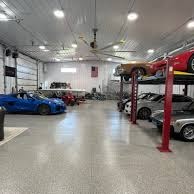
Premium Vehicle Storage
Storage Caves provides secure, oversized garage units designed to store RVs, boats, cars, and other large vehicles. These units offer protection from weather, theft, and long-term damage.

Lease or Buy Units
Customers can choose to lease a storage unit for flexible use or purchase a storage condo as a long-term investment, giving them full ownership of their private storage space
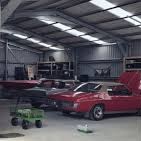
Workshops & Man Caves
The units can be customized into workshops, hobby rooms, business storage, or personalized “man cave” spaces offering flexible usage beyond traditional storage.
Corporate Office
6034 Lanier Islands Pkwy
Buford, GA 30518 - Buford Location
721 S. Parker St. Ste190
Orange, CA 92868 - Corporate Office
Latest News
Don't Miss Out
Sign up for Pre-Release information today!
Building Storage Caves: Leadership Lessons From CEO Jim Stepanian
Storage Caves: The Future of Flex Space & Storage Empires
Self-storage development and zoning activity news January 2025
Contact Us | Privacy Policy | Terms and Conditions
Copyrights 2026 | Lake Lanier Storage Partners DBA STORAGE CAVES™ | Terms & Conditions | Privacy Policy